Mushroom Library Cards Vol.5: Whimsical Ephemera for Modern Projects
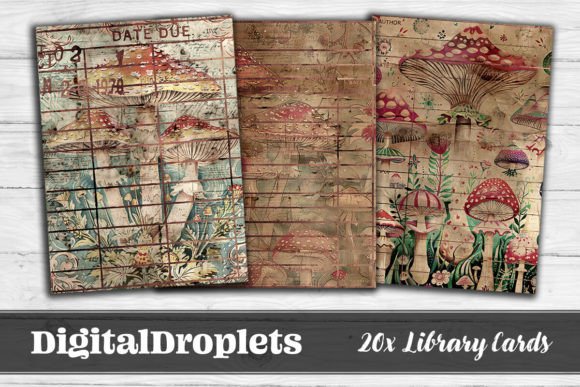
Finding the right design assets can often feel like searching for a specific book in a vast, unorganized library. You need elements that are not only visually appealing but also carry a distinct personality. The Mushroom Library Cards Vol.5 collection offers exactly that—a unique blend of vintage nostalgia and nature-inspired whimsy. This set of 20 high-resolution PNG files is more than just a set of images; it's a toolkit for adding texture, character, and a touch of storybook magic to a wide array of creative work.
Understanding the Aesthetic: Vintage Charm Meets Modern Design
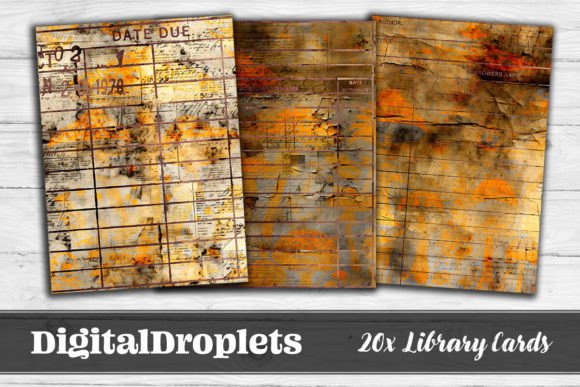
At its core, the Mushroom Library Cards Vol.5 collection presents a specific visual language. Each card features the familiar, structured layout of a traditional library checkout card, complete with lines for dates and names. Overlaid on this foundation are intricate, beautifully rendered mushroom patterns. The result is a fascinating juxtaposition: the ordered, human-made system of the library meeting the organic, often whimsical forms of fungi. The style leans into a handcrafted aesthetic, making it feel personal and authentic rather than sterile or mass-produced.
This personality makes it a versatile creative font alternative. While not a typeface itself, these library cards function as powerful graphic elements that can anchor a design's tone. They evoke a sense of curiosity, quiet exploration, and gentle nostalgia. Think of them as visual whispers from a forgotten botanical journal or a naturalist's sketchbook. The appeal lies in their ability to tell a micro-story within a single graphic, making them ideal for projects where atmosphere and narrative are key.
Practical Applications: Where These Cards Shine
The true value of any design asset is measured by its utility. The Mushroom Library Cards Vol.5 set is remarkably adaptable, serving designers, crafters, and small business owners across numerous domains.
- Scrapbooking & Junk Journals: This is a natural home for these cards. They serve as perfect focal points, journaling spots, or layered background elements. Their vintage feel complements aged papers, lace, and other ephemera beautifully.
- Digital & Print Publishing: For editorial design, these cards can act as unique chapter headers, decorative margins, or pull-quote backgrounds in magazines, zines, or book interiors. They add a handcrafted touch to otherwise standard layouts.
- Branding & Marketing: Businesses with a brand identity rooted in nature, craftsmanship, storytelling, or vintage charm can integrate these elements. They work wonderfully in packaging design for artisanal goods, in social media graphics to create a cohesive feed, or on a website's "About" page to convey personality.
- Logo Design & Brand Collateral: While a full logo might require simplification, these cards can inspire motifs or be used directly in brand collateral like business cards, letterheads, and thank-you notes, building instant brand recognition and a memorable aesthetic.
Essentially, any project that benefits from a layer of authentic, textured graphics will find a strong ally in this collection. They are particularly effective for creating a sense of depth and history in a design, guiding the viewer's eye in a way that feels organic rather than forced.
Integrating the Assets: Guidance for Your Creative Process
Adopting a new set of design assets requires thoughtful integration. Here’s how to approach the Mushroom Library Cards Vol.5 for maximum impact.
Evaluating Project Fit
Before you start, ask if the whimsical, vintage nature of these cards aligns with your project's goals. They are a superb fit for a botanical illustrator's portfolio, a cozy cafe's menu, or a fantasy author's newsletter. They might be less suitable for a cutting-edge tech startup's primary brand identity, unless used as a subtle, ironic contrast. Always match the asset's personality to the project's message.
Considering Readability and Hierarchy
When using these cards as backgrounds for text, readability is paramount. The intricate mushroom patterns can compete with text. Solutions include:
- Using a solid-color overlay with reduced opacity to mute the pattern slightly.
- Placing text in a clean, contrasting sans serif font within a shaped text box (like a rectangle or circle) that sits on top of the card.
- Utilizing the cards in larger formats where the pattern becomes a texture rather than a detail that needs to be deciphered.
This careful application ensures the cards enhance, rather than hinder, your visual hierarchy and overall modern typography structure.
Exploring Font Pairings and Commercial Use
The handcrafted style of the library cards pairs well with a range of typefaces. A clean sans serif font can provide a modern counterbalance. A classic serif font can amplify the vintage feel. A delicate script font or handwritten font can lean into the whimsy, but use these sparingly to avoid overwhelming the design. The key is contrast and balance.
Since the set includes 20 unique cards, you have ample variety to maintain consistency across a project without repetition becoming monotonous. For commercial projects, the included license (DD 10015LC) provides clarity for using these assets in client work, products for sale, and marketing materials, making them a reliable part of your professional toolkit.
The Mushroom Library Cards Vol.5 collection is a testament to how thoughtful design assets can elevate creative work. It offers a bridge between the past and present, the natural and the structured. By understanding its aesthetic strengths and applying it with intention, you can infuse your projects with a layer of charm and narrative that generic graphics simply cannot provide. It’s a practical, beautiful resource for anyone looking to add a story to their design.